What Pharmacy Retail Decline Reveals About the Future of Health Marketing



What Pharmacy Retail Decline Reveals About the Future of Health Marketing
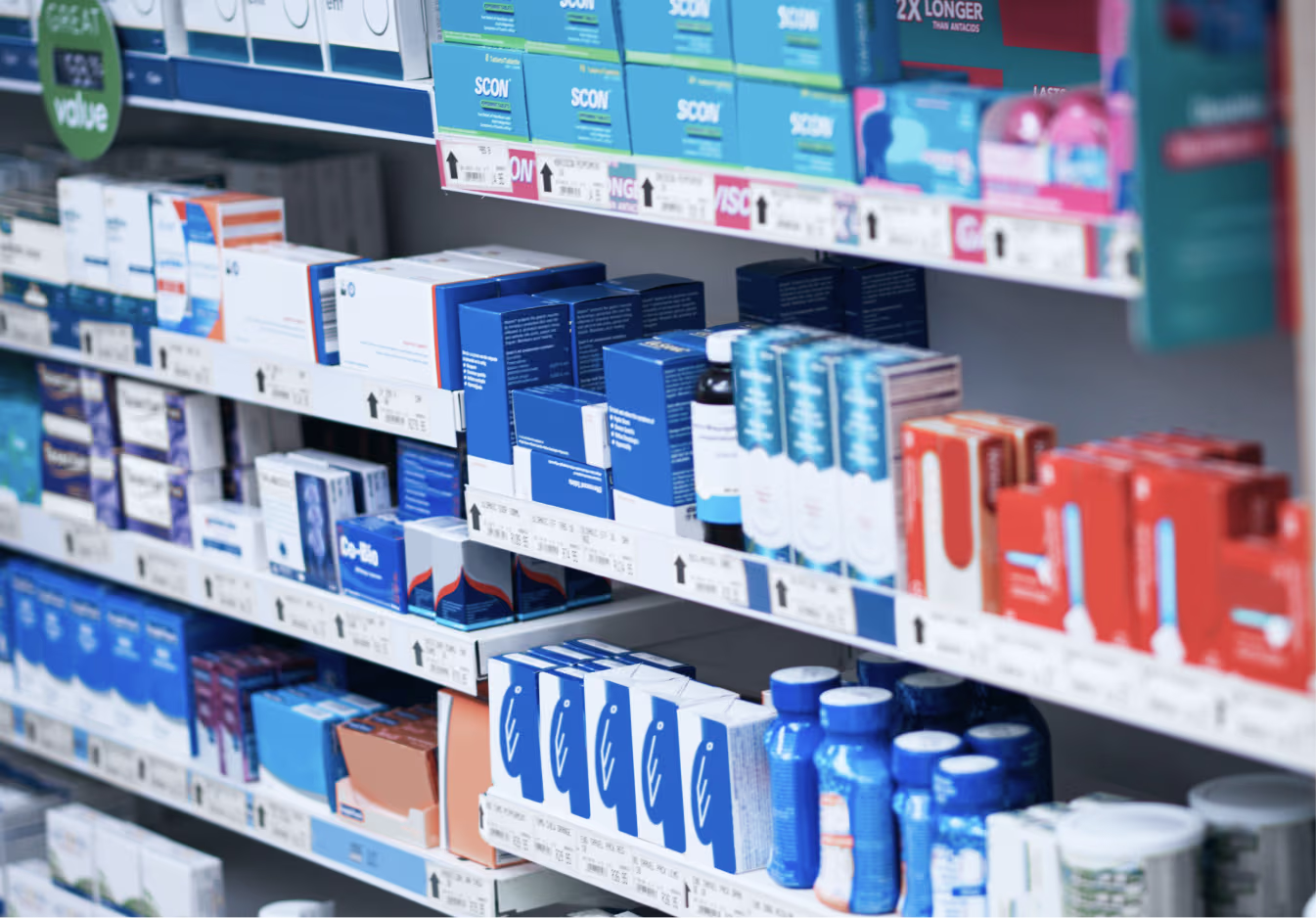
Walk into a Walgreens today, and the first thing you notice is the silence. Not peaceful — hollow. Aisles stocked with complex supplements, specialized diagnostics, and nuanced skincare, but no one available to help you navigate any of it.
Then walk into a Nordstrom on the same afternoon. Before you've reached the denim section, three stylists have offered to help you find the right fit.
That contrast explains a lot about where health marketing is heading — and why DTC brands that understand it are winning.
The Expert Gap That's Killing Retail Pharmacy
Walgreens reported a $245 million operating loss in early 2025, driven in large part by declining U.S. retail sales and the closure of over 1,200 stores. The official explanation cites footprint optimization and shifting consumer habits — but anyone who's stood in front of a wall of 50 magnesium supplements with zero guidance knows the more fundamental problem.
When the pharmacy counter became overloaded and understaffed — part of the broader "pharmacy desert" phenomenon — the retail floor lost its expert layer. Without a knowledgeable associate at the point of decision, the complexity of health products becomes a conversion barrier rather than an opportunity. Shoppers don't leave more informed. They leave and order online from somewhere that made the decision feel safer.
The Nordstrom Model Works Because Expertise Removes Risk
Nordstrom hasn't just survived the retail apocalypse — it's thrived in it. The reason is simple: they kept the human expertise layer. When a stylist helps you choose a blazer, they're not just selling a product. They're removing the friction of choice and the fear of getting it wrong.
In health and wellness, the fear of getting it wrong is ten times higher. Shoppers aren't just worried about wasting money — they're worried about putting something in their body that doesn't work, or isn't safe for them specifically. That fear is a conversion killer when there's no trusted guidance in the room.
The health industry has invested billions in personalized advertising. It has invested almost nothing in personalized expertise at the moment of decision.
How Leading DTC Brands Are Filling the Expert Gap
More than 400 leading DTC health brands are now integrating clinician perspectives directly into their digital storefronts. Clinician reviews, third-party certifications, and clinician-backed trust signals like the Clinicians' Choice badge are being placed at the exact moment shoppers are evaluating whether to buy.
The mechanism is the same as Nordstrom's: make expertise visible and accessible at the point of decision. When a clinician's perspective on a specific product is present at checkout, shoppers don't need five other browser tabs. The choice friction drops, and the confidence to convert rises.
Walgreens of course couldn't easily put a clinical expert in every aisle of 8,000 stores. But DTC brands operating digitally don't face that constraint — and the ones who recognize that are building the trust advantage that retail pharmacies are losing.
The Bottom Line
The silent aisles of retail pharmacies are a warning, not just a business story. When shoppers are left to navigate health complexity alone, they eventually stop buying — or they go somewhere that makes them feel less alone in the decision.
The future of health commerce isn't just better products. It's better guidance. The DTC brands building that expert layer into their digital experience aren't just improving conversion rates — they're building the kind of trust that compounds.


Frequently Asked Questions
