What Shoppers Actually Mean When They Say They Want "Transparency"



TL;DR
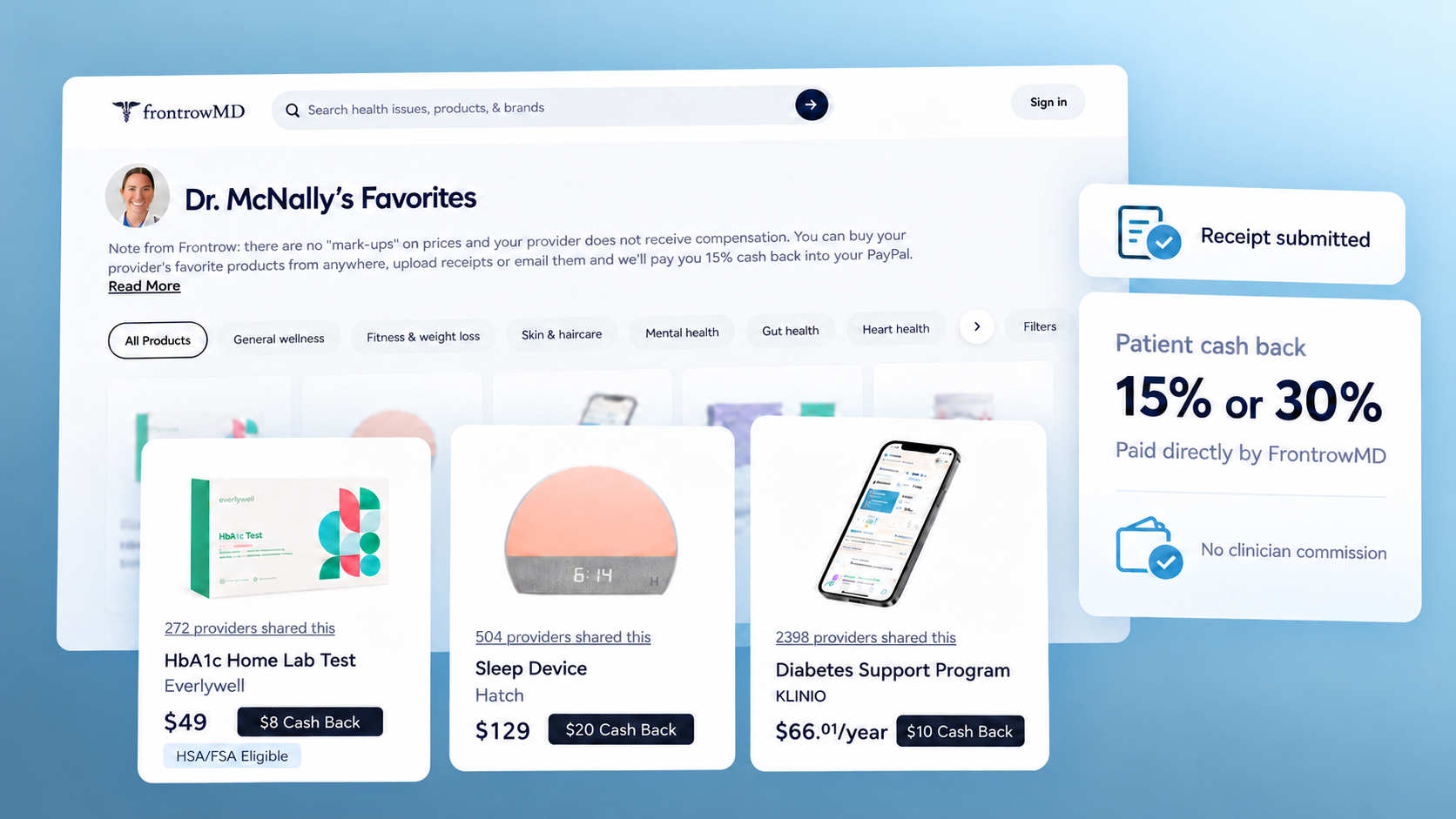
When wellness shoppers say they want transparency, they mean they want to check a brand's claims for themselves: what's in the product, how much, why it's there, and who outside the brand stands behind it. Transparency is one of the most common things shoppers ask for. NielsenIQ's 2025 Global State of Health & Wellness report (19,000 consumers, 19 countries) found 82% want transparent labeling. But a clean ingredient list is only one layer. The same report found 62% of consumers are wary of brand health claims, and NSF's 2025 survey found only 16% of shoppers find food and beverage health claims very trustworthy. Shoppers are telling brands that disclosure alone isn't enough; they want claims they can verify. That includes signals that don't come from the brand itself. Clinician validation, meaning licensed clinicians choosing without compensation to share a product, is one of those signals. FrontrowMD connects health brands with thousands of clinicians (MDs, NPs, PAs, etc.) who share products, uncompensated, through patient-facing discount pages.
Add a layer of transparency shoppers can see → Book a demo
Transparency means shoppers can check your claims themselves
Transparency isn't the same as saying "clean" or "honest" on the label. To a shopper, it means having enough information to judge the product without taking the brand's word for it.
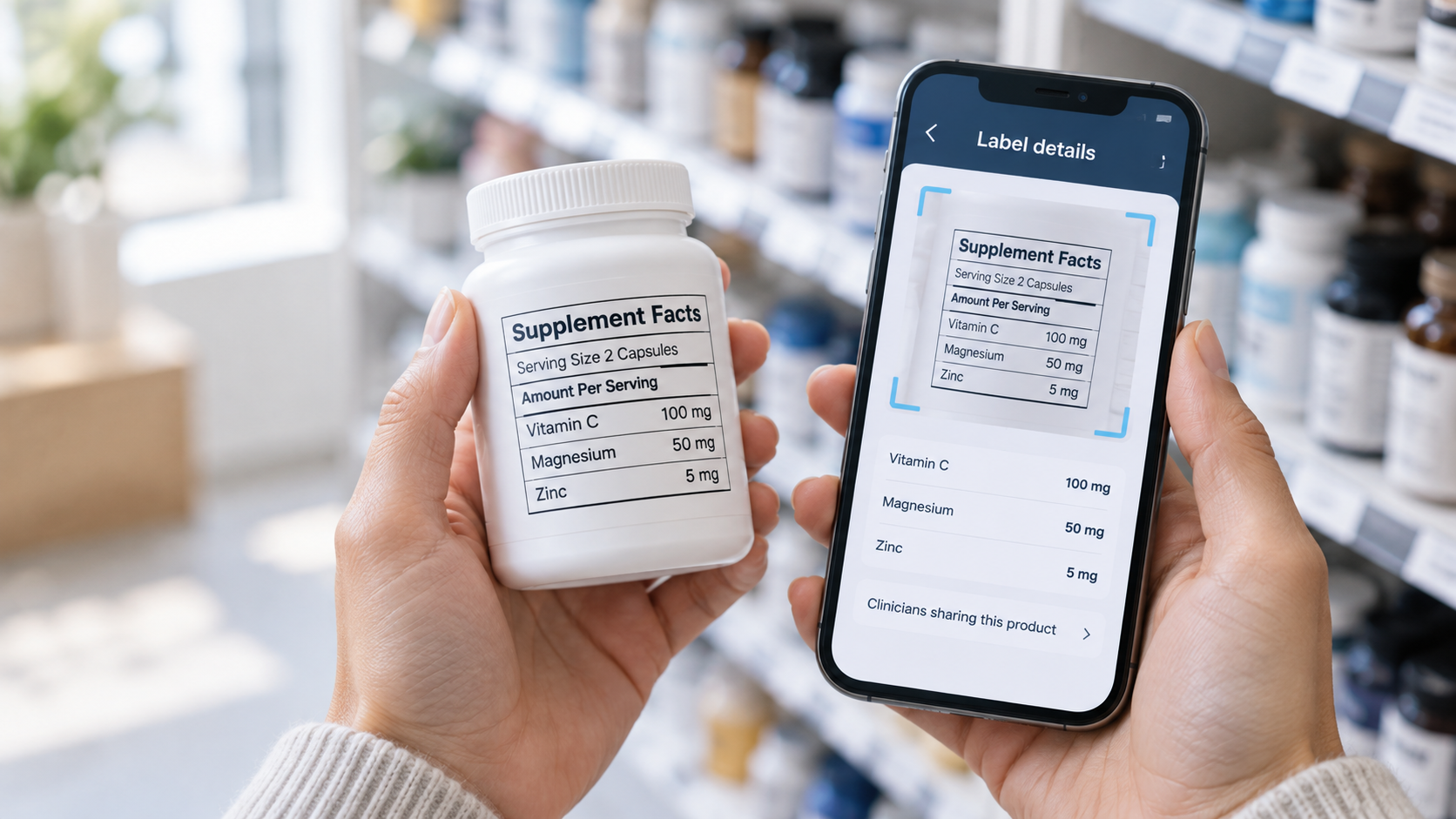
Shoppers increasingly have the tools to check. NielsenIQ's 2026 data shows roughly 1 in 4 consumers use label-scanning apps. When shoppers can look up an ingredient in seconds, brands that hide details stand out for the wrong reasons.
Transparency has more than one layer
Many brands treat transparency as a single checkbox: list the ingredients. Shoppers see it as a set of questions. What's in it? How much? Why that amount? Has it been tested? Who else stands behind it?
Each unanswered question leaves room for doubt. With only 16% of shoppers finding food and beverage health claims very trustworthy (NSF, 2025), brands that answer more of those questions earn more trust.
The 4 layers of transparency shoppers look for
- Ingredients: a full list, with no hidden fillers.
- Amounts: exact quantities instead of proprietary blends.
- Reasons: plain-language explanations of why each key ingredient is included.
- Outside voices: credible people beyond the brand, such as licensed clinicians who chose to share the product.
Transparency includes showing who stands behind the product
The last layer is the one brands most often skip. Shoppers want to know whether anyone with medical training supports the product, not just what the brand says about it.
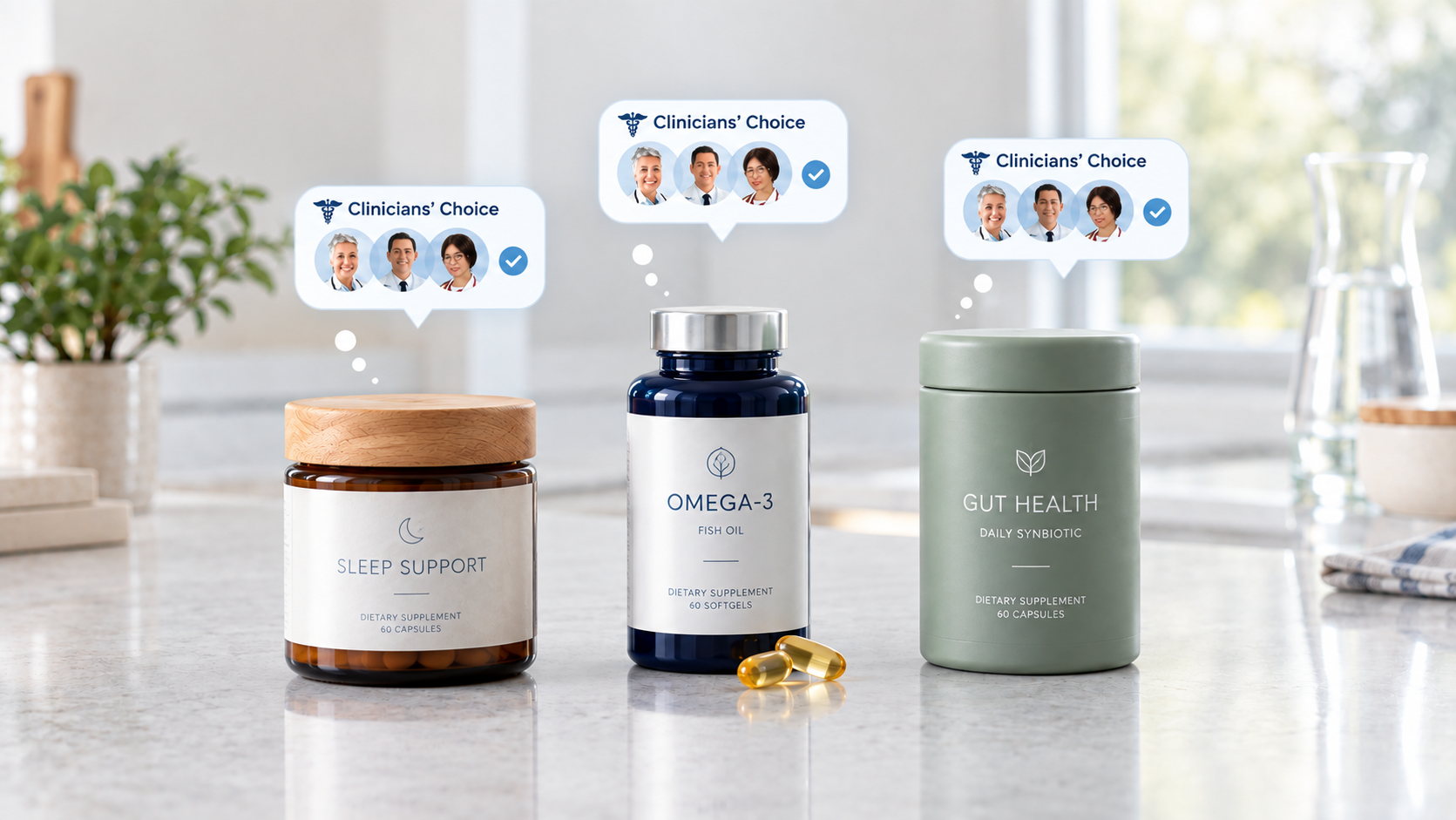
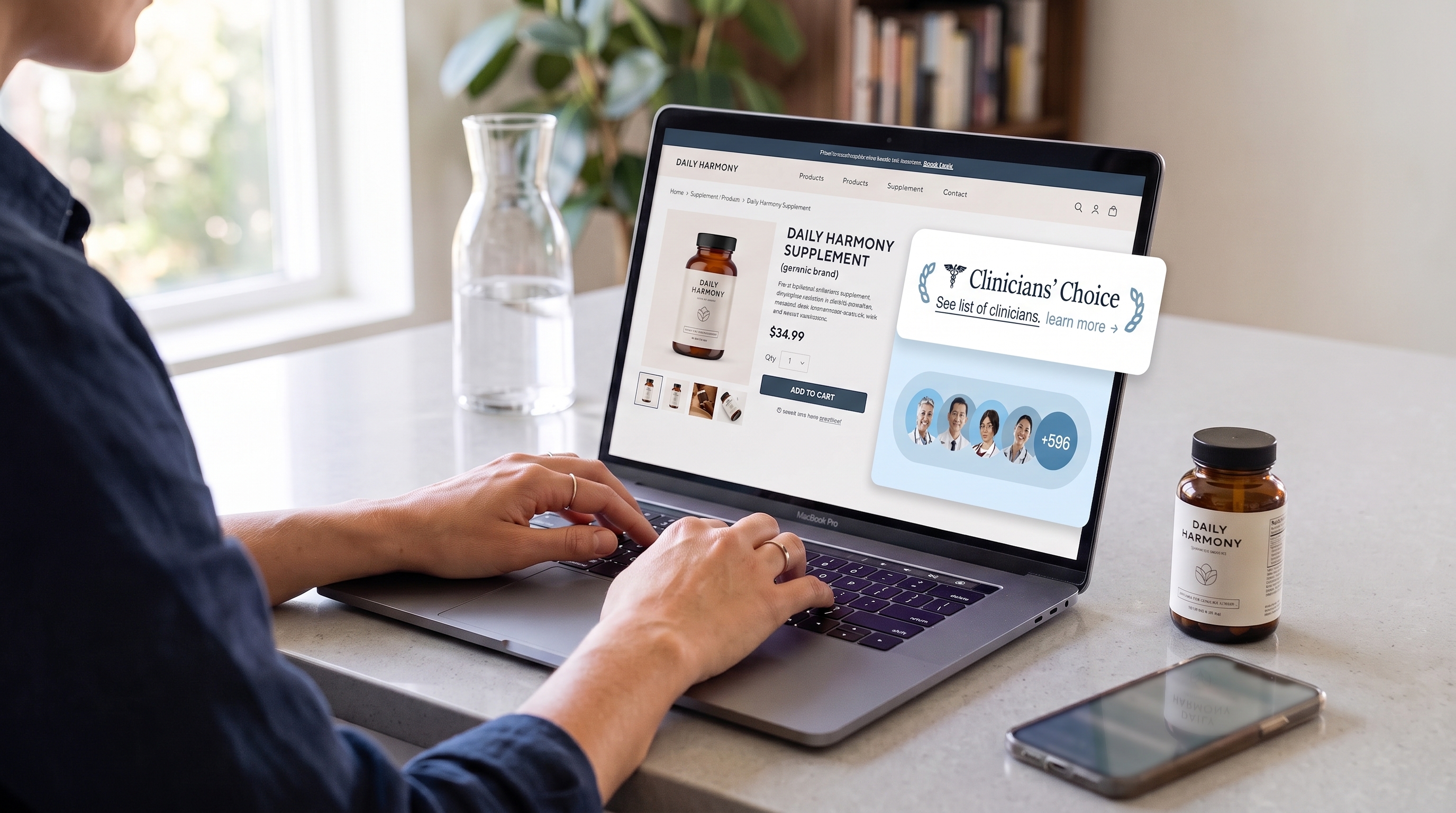
The Clinicians' Choice badge shows shoppers, in aggregate, how many clinicians chose to share a product. Clinician Reviews add the evaluations clinicians submit. A 2026 Maveron survey found nearly 70% of wellness shoppers would choose a clinician-reviewed product over one with only traditional reviews, and FrontrowMD partners have seen up to a 2x conversion rate lift (case studies).
Frequently Asked Questions
